What to Avoid After Fotona Laser Treatments
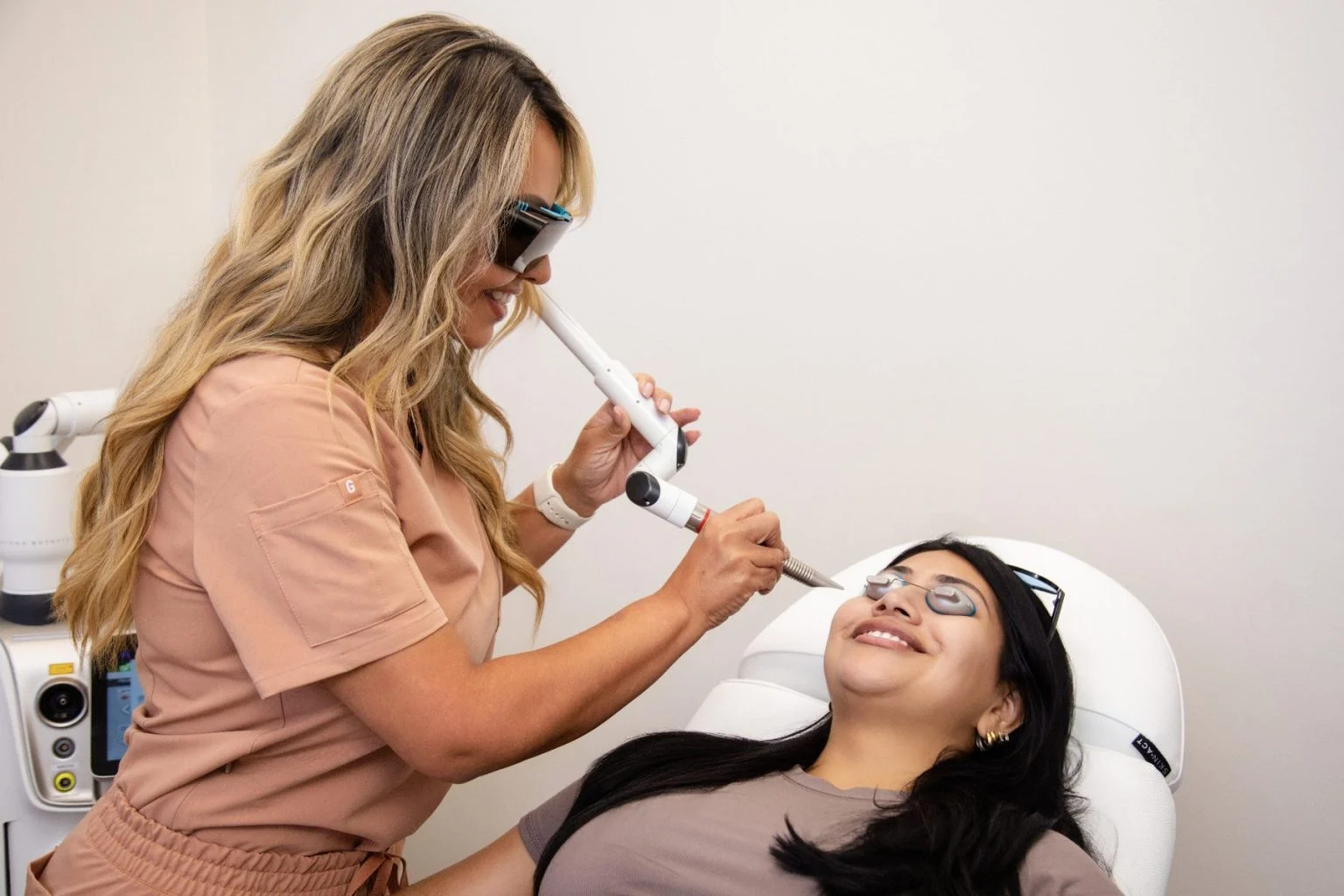
Fotona Laser Treatments can do impressive work, whether the goal is skin resurfacing, pigment correction, acne scar improvement, tightening, or gynecologic and dental applications in other settings. Yet the quality of the result rarely depends on the device alone. It depends just as much on what happens after you leave the clinic.
That part is often underestimated. Patients tend to focus on the treatment day, then assume recovery is passive. In reality, the skin is actively responding for days and sometimes weeks. Heat has been delivered with precision, microscopic injury may have been created, inflammation has been triggered on purpose, and your body is now handling repair. The aftercare window is when good results are either protected or compromised.
The advice can vary slightly depending on whether you had a lighter non-ablative session, a deeper resurfacing treatment, a pigmented lesion protocol, or something more intensive. Still, there are patterns that hold up across most Fotona Laser Treatments. Certain habits reliably make redness last longer, increase irritation, raise the risk of post-inflammatory hyperpigmentation, or slow healing. Those are the mistakes worth avoiding.
The first mistake, treating your skin like it is normal
This is the most common problem I see after laser procedures. A patient feels warm, looks a little pink, maybe notices some tightness, and decides things are “not that bad.” By the evening they are washing with their usual foaming cleanser, applying active serums, touching their face repeatedly, and going about life as though nothing happened.
Skin after laser treatment is not business as usual. Even when the surface looks relatively calm, the barrier may be temporarily impaired. Transepidermal water loss can increase, nerve endings may be more reactive, and blood vessels may stay dilated longer than expected if they are repeatedly provoked. That is why mild products can sting and why heat, friction, and over-cleansing can suddenly matter more than they do on an ordinary day.
If you remember one principle, make it this: fresh laser-treated skin prefers less. Less heat, less rubbing, fewer products, fewer variables.
Avoid heat in all its forms
Patients usually think of sun exposure first, which is important, but heat itself deserves equal attention. After Fotona Laser Treatments, skin often reacts strongly to anything that increases blood flow too aggressively. Hot showers, steam rooms, saunas, hot yoga, intense kitchens, vigorous exercise, and even leaning over a pot of boiling pasta can make flushing worse.
That matters because prolonged redness is not just a cosmetic nuisance. For some skin types, especially those prone to rosacea, melasma, or post-inflammatory pigmentation, repeated heat exposure can prolong inflammation and complicate recovery. I have seen patients do everything right with sunscreen, then trigger days of extra redness by returning to spin class within 24 hours or spending the evening in a hot tub.
The timing depends on the depth and intensity of treatment. After a very light session, your clinician may clear you for exercise sooner. After a more aggressive resurfacing treatment, waiting several days is often wiser. When in doubt, choose cool, quiet recovery over “testing your limits.” Healing skin rarely rewards impatience.
Avoid direct sun, even if the weather looks harmless
Sun is one of the fastest ways to undermine the benefit of laser treatment. This is especially true when treating pigment, uneven tone, redness, or textural issues. Ultraviolet exposure can provoke inflammation, deepen discoloration, and make the skin heal in a blotchy way. It does not take a beach day to do damage. Ten or fifteen minutes of midday exposure while driving, walking the dog, or sitting near a bright window can be enough to irritate vulnerable skin.
This is where people get tripped up by appearance. Cool weather feels safe. Cloud cover feels safe. A quick errand feels safe. None of those conditions eliminate UV exposure. If your treatment targeted pigmentation, strict sun avoidance is not optional, it is part of the treatment itself.
Sunscreen matters, but so does common sense. A broad-spectrum mineral sunscreen is often better tolerated in the early recovery phase, particularly if the skin is tender or flaky. A wide-brimmed hat, sunglasses, shade, and planning around peak sunlight are not overcautious. They are practical tools. I often tell patients that for the first stretch after treatment, physical protection does more reliable work than any amount of wishful thinking about SPF reapplication.
Avoid active skin care too soon
Many people spend good money on skin care and feel anxious about stopping products they associate with progress. Retinoids, exfoliating acids, benzoyl peroxide, vitamin C formulas with low pH, scrubs, brushes, and even fragranced moisturizers can become a problem after laser treatment.
The issue is not that these products are inherently bad. It is timing. Right after Fotona Laser Treatments, your skin is in repair mode. Active ingredients that are usually helpful can tip into irritation, burning, peeling, or contact dermatitis. When that happens, patients often misread the reaction and assume the laser was too strong, when in fact the post-treatment routine was the real trigger.
A common example is the patient who restarts tretinoin too early because they are worried about acne or anti-aging momentum. Within a day or two, they develop patchy redness and stinging around the mouth and nose. Another frequent mistake is using a scrub to “help the flaking come off.” That nearly always makes the skin angrier.
The safest approach is usually a short, bland routine until your clinician says otherwise. A gentle cleanser, a simple moisturizer, and diligent sun protection are often enough at first. If your provider gave you a specific barrier-repair ointment or healing cream, use that instead of improvising with a bathroom shelf full of serums.
Avoid picking, peeling, scratching, or “helping” the process
Laser recovery can be visually annoying. Some people develop bronzing, grid-like roughness, pinpoint crusting, or light shedding, depending on the treatment settings and target. The temptation to interfere is strong. Patients see dry skin, tiny scabs, or darkened pigment coming to the surface and decide to speed things up with their fingernails, tweezers, washcloths, or exfoliants.
That usually backfires.
When you pick at healing skin, you increase the risk of prolonged redness, raw spots, infection, and post-inflammatory hyperpigmentation. In deeper treatments, you can also affect texture. The damage is often small but very visible because it sits on the face. I have seen a nearly perfect healing course get derailed by a patient who rubbed off a few spots before they were ready and then spent weeks trying to fade the secondary pigmentation.
Let dry, rough, or darkened areas release on their own schedule. If the skin feels tight or itchy, address that with hydration and cool compresses approved by your clinic rather than friction.
Avoid assuming makeup is always harmless
Makeup after laser treatment is a judgment call, not a universal yes or no. Some lighter Fotona Laser Treatments allow makeup within a day. More intensive procedures may require a longer break. The mistake is putting it on too early, using brushes or sponges that are not clean, or relying on heavy coverage when the skin is still hot and sensitized.
Foundation can trap heat, increase friction during application, and introduce irritants, especially if it contains fragrance, acids, or long-wear film-forming ingredients. Even mineral makeup, which is often recommended after procedures, can sting if applied before the skin is ready.
There is also the mechanical issue. Rubbing product over flaky skin tends to lift healing tissue and makes the face look worse, not better. If you are tempted to cover redness for a social event, it is worth asking whether a tinted mineral sunscreen or a brief appearance with minimal product is the smarter compromise. For many patients, the face looks more settled when it is left mostly alone for the first few days.
Avoid harsh cleansing and over-washing
People recovering from procedures often split into two groups. One becomes afraid to touch the face at all. The other starts washing compulsively because the skin feels oily, sticky, or coated with healing ointment. Both extremes can create problems, but over-washing causes more trouble.
A laser-treated face does not need to be scrubbed into cleanliness. It needs to be gently supported. Foaming cleansers, cleansing devices, washcloths, and repeated washing can strip the barrier and prolong stinging. Patients who are acne-prone sometimes panic at the idea of using a richer moisturizer and then respond by cleansing too often, which can set up a cycle of dehydration and rebound oiliness.
Think soft water pressure, lukewarm temperature, clean hands, and a cleanser that does not leave the skin feeling squeaky. If it feels tight after washing, that is useful feedback. Tightness is often a sign that the routine is too aggressive for the moment.
Avoid swimming pools, oceans, and anything unclean
This point sounds mundane until you see how often it matters. Chlorinated water can sting and dry compromised skin. Salt water can burn. Lakes and hot tubs carry their own contamination risks. Even if the treatment was not deeply ablative, freshly treated skin is more reactive, and anything that combines chemical irritation with questionable hygiene is best avoided until the barrier has recovered.
The same logic applies to sweaty hats, dirty pillowcases, shared gym towels, and makeup brushes that have not been washed in months. These are not dramatic threats, but they are common sources of irritation and breakouts in the recovery period. A clean environment supports uncomplicated healing. An unclean one adds variables you do not need.
Avoid restarting the gym on your usual schedule
Exercise advice after laser procedures should be individualized, but the spirit of the recommendation is simple. Hard workouts create heat, sweat, flushing, and friction. Those four things are not ideal right after treatment.
It is not just marathon training that counts. A “quick” circuit workout, heated Pilates class, long run, or heavy lifting session can all significantly increase facial blood flow. Sweat itself is not toxic, but it can sting, especially if the barrier is disrupted. Wiping sweat repeatedly with a towel adds friction, and many patients end up touching their face far more than they realize.
One practical rule is to judge the skin, not your motivation. If the face still feels warm, looks bright pink, or stings with moisturizer, that is not the day to test your personal best. Walking in a cool environment is usually a safer bridge back to normal activity than jumping straight into high intensity exercise.
Avoid nicotine and be careful with alcohol
Most people know smoking is not good for healing, but they often underestimate how relevant that is after aesthetic procedures. Nicotine can impair circulation and interfere with repair. Even if a single cigarette does not seem consequential, it does not help tissue that is actively trying to recover from controlled injury.
Alcohol is more nuanced. It does not affect every patient the same way, but it commonly worsens flushing and can contribute to dehydration. For someone already red and warm after Fotona Laser Treatments, a few drinks that evening may be enough to intensify the reaction. Patients with rosacea-prone skin tend to notice this most. If you are hoping for the quietest recovery, a short pause on alcohol is usually worthwhile.
Avoid comparing your healing to someone else’s
This is a less obvious mistake, but it drives a lot of unnecessary anxiety and bad decisions. Two patients can have the same device used on the same day and recover differently. Skin tone, baseline sensitivity, vascular reactivity, treatment depth, recent sun exposure, medications, age, and even room temperature can affect the way healing looks.
One patient may be comfortable the next morning. Another may stay pink for several days. Some people bronze before they brighten. Others peel very little. Patients who compare themselves to friends, social media posts, or even their own last treatment often decide they need to “fix” something that is actually within the normal range.
The better question is not whether you look exactly like someone else did on day three. It is whether your course matches what your treating clinician told you to expect. A little variation is normal. Severe increasing pain, expanding swelling, pus, or widespread rash is not. Knowing the difference can save you from both complacency and overreaction.
Avoid self-prescribing fixes for every symptom
A lot of post-laser trouble comes from layering remedies. The skin feels hot, so someone adds aloe from a bottle with fragrance. Then hydrocortisone from the medicine cabinet. Then a recovery mask. Then a “clean” face oil. Then a pimple patch over a rough spot. Within 24 hours, no one can tell whether the irritation is from the treatment, the products, or the combination.
Laser aftercare goes more smoothly when it stays simple. If something feels off, the first step is usually to remove variables, not add them. Many clinics would much rather have you call and send a photo than start experimenting. That is especially true if you have a history of eczema, perioral dermatitis, melasma, or allergic reactions to skin care.
Here are the post-treatment missteps most worth remembering:
- Getting overheated through exercise, saunas, hot showers, or sun.
- Restarting retinoids, acids, scrubs, or other active products too early.
- Picking at flaking skin, crusting, or darkened spots.
- Underestimating incidental sun exposure during errands or commuting.
- Using too many products instead of sticking to a simple recovery routine.
Be careful with shaving, hair removal, and other procedures
This category gets forgotten because patients think of treatments in isolation. If the face feels rough, a person might shave more aggressively to smooth it. If upper lip hair bothers them, they may wax or use depilatory cream. If they have a social event, they may book a facial a few days later to “freshen up.” Those combinations often cause more trouble than expected.
Laser-treated skin does not appreciate extra trauma. Waxing can lift sensitized skin. Depilatory creams can burn. Microdermabrasion, peels, and even enthusiastic facials may increase inflammation or disrupt recovery. If you receive regular treatments such as injectables, chemical peels, or microneedling, ask your provider how to space them rather than guessing. Good cosmetic results often depend more on sequencing than on intensity.
When “normal recovery” stops looking normal
A professional recovery plan should leave room for judgment. Mild redness, warmth, tightness, roughness, and temporary darkening of pigment can all be expected after certain Fotona Laser Treatments. What deserves attention is a pattern that worsens instead of settles.
You should contact your treating clinic promptly if pain is increasing rather than easing, if swelling is pronounced or asymmetrical, if you see yellow crusting or drainage, if you develop a widespread itchy rash, or if you suspect a cold sore outbreak. People with a history of herpes simplex around the mouth should be especially careful, because laser procedures can sometimes reactivate it, and that needs early management.
This is also the moment to be honest about what happened after treatment. If you worked out, sat in the sun, used retinol, or picked at the skin, say so. Clinicians are not looking to scold you. They are trying to figure out whether they are seeing expected healing, irritation, infection, or a contact reaction.
The real goal of aftercare
Patients often frame aftercare as a set of restrictions, which makes it easy to resent. A better way to think about it is preservation. You have already paid in time, money, planning, and discomfort for the treatment. The recovery period is where you protect that investment.
The irony is that the best aftercare can https://alexiswnhh329.trexgame.net/fotona-laser-treatments-for-everyday-beauty-and-skin-confidence feel almost too simple. Stay cool. Stay out of the sun. Keep the routine bland. Do not pick. Do not rush back into your usual products and workouts. Contact your provider if something seems genuinely off. Those basics sound ordinary, but they are the habits that consistently separate smooth recoveries from frustrating ones.
If your clinic gave you instructions that differ in timing from general advice, follow their protocol. They know the treatment settings, the target concern, and your skin history. Fotona Laser Treatments cover a broad range, and aftercare should respect that range. What stays constant is the principle behind it all: healing skin does better when you resist the urge to push it.
OMNIA Wellness Center
Address: 16430 Ventura Blvd Ste 207, Encino, CA 91436
Phone number: +18183868511
FAQ About Fotona Laser Treatments
What is a Fotona laser good for?
A Fotona Laser system is a versatile, dual-wavelength medical laser used primarily for non-surgical skin tightening, anti-aging rejuvenation, and dermatological treatments.
How much does the Fotona laser cost?
The cost of a Fotona laser depends heavily on whether you are looking to purchase a laser machine for a medical practice or are a patient seeking a laser treatment at a medspa.
Is a Fotona laser worth it?
A Fotona laser treatment is generally worth it if you want non-surgical skin tightening, improved texture, and collagen stimulation with very little downtime.