Fotona Laser Treatments for Those Seeking Gentle Rejuvenation
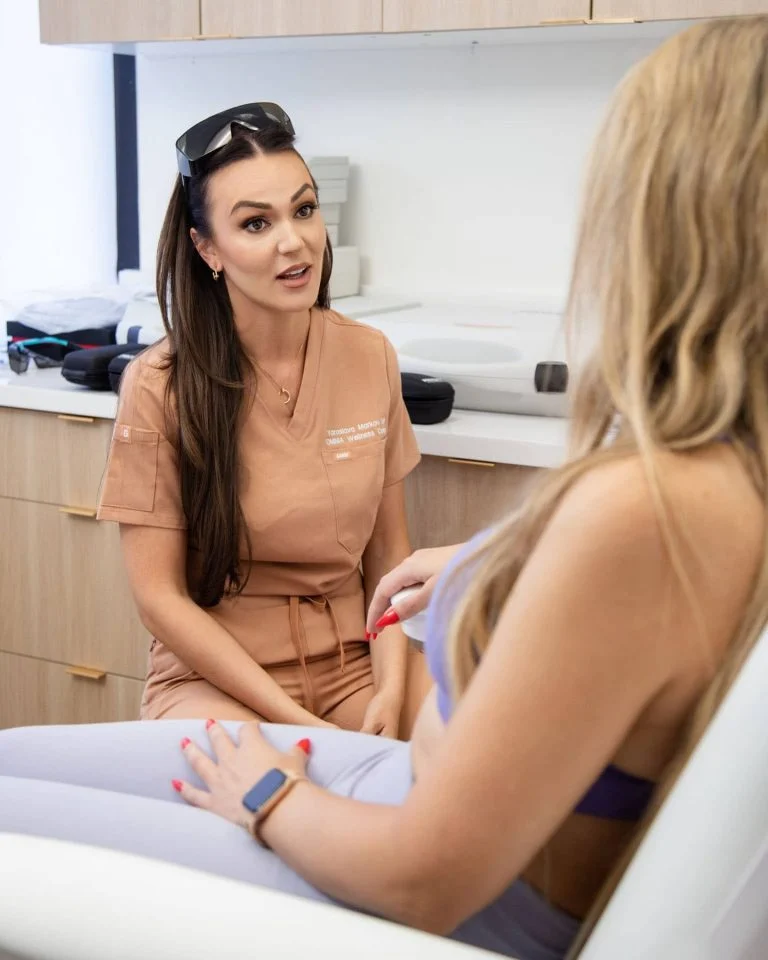
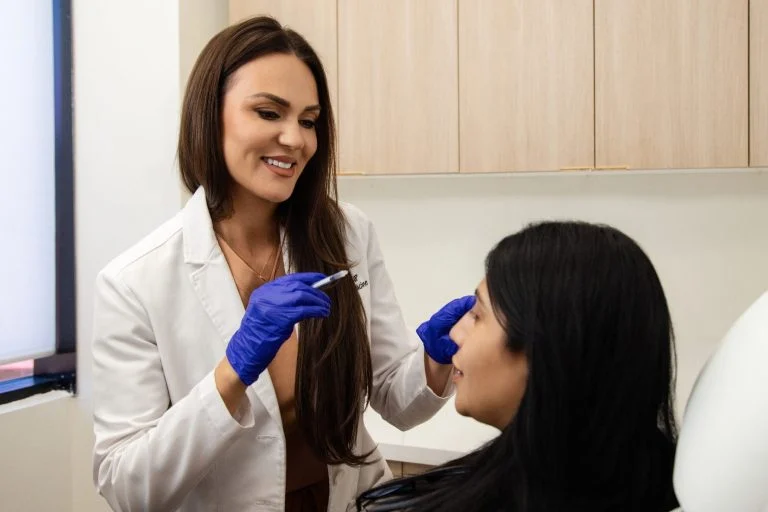
There is a wide gap between wanting to look fresher and wanting to look altered. Most patients who ask about laser rejuvenation are not trying to erase every line or chase a version of their face from twenty years ago. They usually want something quieter. Better skin tone. Softer texture. Less creasing around the eyes. A little more firmness in the lower face. A brighter look overall, without the downtime or drama that can come with more aggressive resurfacing.
That is where Fotona Laser Treatments tend to draw interest. They occupy a useful middle ground. They can be tailored for people who want visible improvement but still need to go back to work, see friends, and live normally without a long recovery period. In practice, that balance is often what matters most. Patients rarely ask for “maximum correction” once they understand what maximum correction can involve. More often, they ask for steady, believable improvement that fits a real schedule and a real tolerance for downtime.
Fotona is not a single one-size-fits-all procedure. It is a laser platform used for different treatment modes, depths, and goals. That matters because the best outcomes usually come from customization rather than from a generic laser appointment. Someone bothered by crepey lower eyelids needs a different approach from someone focused on acne scarring, diffuse redness, or mild laxity along the jawline. A thoughtful practitioner will adjust settings, treatment sequence, and expectations accordingly.
What makes Fotona different in the rejuvenation conversation
When people compare lasers, they often hear a blur of terms: ablative, non-ablative, fractional, resurfacing, tightening, collagen stimulation. These are useful categories, but they can become abstract quickly. What matters in the treatment room is how the energy interacts with the skin and how much disruption that creates on the surface.
Fotona systems are known for versatility because they use wavelengths that can address both superficial and deeper concerns. In plain terms, that means treatment can be designed to stimulate collagen, improve tone and texture, and in some cases produce noticeable tightening, while keeping recovery more manageable than with older, harsher resurfacing approaches. Not every Fotona treatment is “gentle” in the same sense, but the platform is often chosen by clinics that want the option to offer lighter rejuvenation as well as more intensive correction.
For patients seeking subtle improvement, this flexibility is valuable. It lets the provider meet the skin where it is. A person in their thirties with early signs of dullness and fine lines may do well with a lower-intensity protocol and periodic maintenance. A person in their fifties with more established sun damage, etched lines, and mild laxity may need a series, or a layered treatment plan that combines resurfacing and tightening elements. The point is not to fit everyone into the same package, it is to match the intervention to the concern.
That sounds obvious, but it is often where results are won or lost. Over-treating can create unnecessary downtime and irritation. Under-treating can leave a patient paying for sessions that barely move the needle. The sweet spot is a treatment intensity that creates enough stimulus for meaningful change without pushing recovery beyond what the patient can reasonably manage.
The appeal of gentle rejuvenation
Gentle rejuvenation has become popular for a simple reason: many people want to look more rested, not transformed. They want their skin to reflect how they feel when they are healthy, sleeping well, and taking care of themselves. They do not want people asking what they had done.
Laser treatments can help with that kind of refinement because they work gradually. Skin texture often improves before anyone can identify why the face looks better. Makeup sits more smoothly. Pores appear less obvious. Fine lines soften. The overall complexion reflects light more evenly. These are not dramatic movie-montage changes, but they are meaningful. In experienced hands, they can be the difference between looking tired and looking polished.
Another benefit is that many Fotona Laser Treatments can be combined with a broader skin strategy rather than replacing it. Good lasers do not cancel out the need for sunscreen, topical retinoids, pigment management, or healthy skin barrier care. They work best as part of a coherent plan. Patients who understand that usually get better long-term outcomes than those searching for a single miracle session.
What concerns Fotona Laser Treatments can address
Gentle rejuvenation does not mean trivial concerns. The issues people bring into consultation are often very specific and very personal. A few common examples come up again and again: fine lines around the mouth, a rougher skin feel after years of sun exposure, dullness that makes the face seem fatigued, and mild looseness under the chin or along the cheeks that is not severe enough for surgery but still bothers them in photos.
Fotona treatments are commonly discussed for concerns such as early laxity, uneven texture, enlarged pores, superficial pigmentation, and fine lines. Depending on the exact treatment mode, they may also be used around delicate areas like the eyes or for intraoral tightening approaches, where treatment is delivered from inside the mouth https://messiahpfdl637.almoheet-travel.com/fotona-laser-treatments-for-natural-looking-rejuvenation to support collagen remodeling in the lower face. That idea surprises many patients the first time they hear it, but it is one of the reasons this platform attracts attention from physicians who treat aging more comprehensively.
It is important to keep perspective here. A laser can improve skin quality and provide a degree of tightening, but it cannot recreate the effect of a surgical lift in someone with significant sagging. It also cannot replace injectable treatments where volume loss is the main issue. If the central problem is deflation in the cheeks or temples, a laser alone will not restore structure. Strong treatment planning depends on identifying whether the main issue is texture, pigment, vascular change, laxity, fat distribution, volume loss, or a combination. Most faces involve at least two or three of these at once.
What treatment feels like
One of the most practical questions patients ask is whether Fotona Laser Treatments hurt. The honest answer is that comfort depends on the treatment type, area, and intensity. Gentler modes are often quite tolerable, more warming than painful. Others create a sharper snapping or stinging sensation, especially around thinner skin or more sensitive areas. Topical numbing may be used, and some sessions are short enough that patients manage well without much preparation.
The sensation during treatment is only part of the story. For many people, what matters more is the recovery curve over the next several days. With lighter treatments, the skin may look pink and feel warm, then turn a bit dry or rough before settling. With more intensive resurfacing, there can be clearer redness, swelling, and a bronzed or sandpapery phase as treated skin sheds. That period varies widely. Some patients feel socially comfortable the next day with mineral makeup. Others prefer a few days of lower visibility. Managing expectations here is part of good care.
I have seen patients do very well when the consultation is specific. “You will be camera-ready by tomorrow” is not specific. “You will likely be pink for one to three days, a little puffy the first morning, and your skin may feel rough for about four to seven days” is specific. Even when the exact timeline differs, concrete framing helps patients plan and reduces disappointment.
Results tend to look better than they photograph
This is an odd but consistent reality with rejuvenation lasers. Improvements from Fotona often register first in motion and in person, not in harsh before-and-after photography. Skin can look healthier before it looks “different.” The face catches light more evenly. Fine crinkling at the outer eyes is less distracting. The lower face seems less heavy, but not enough to show up dramatically in every angle.
That can frustrate patients who expect obvious, instant transformation. It can also deeply satisfy patients who wanted discretion. The best reactions are often very modest. Someone hears, “You look well-rested,” or “Your skin looks really good lately.” That is usually the sweet spot for gentle rejuvenation.
The timeline for improvement also deserves nuance. Some changes, especially mild tightening from tissue heating, can give an early sense of polish. But collagen remodeling is gradual. Many people see the fuller benefit over several weeks to months, particularly after a series. This is one of the main reasons experienced practitioners avoid overpromising after a single appointment unless the concern is very mild.
Who tends to be a good candidate
Patients often assume candidacy depends only on age. It does not. Skin quality, degree of photoaging, medical history, pigment tendency, and expectations matter just as much. A person in their forties with mild sun damage and realistic goals may be an excellent candidate. A younger person with active melasma, poor sun habits, and hopes for dramatic lifting may not be.
A useful way to think about candidacy is to look at the whole picture:
- You want improvement in texture, fine lines, mild laxity, or overall skin quality rather than a surgical-level change.
- You can commit to sun protection before and after treatment.
- You understand that a series may be more effective than a single session.
- You do not have untreated skin infection, significant irritation, or another active issue that would interfere with healing.
- You are open to combining laser care with topical skincare or other treatments if that is what your skin needs.
Skin tone also needs careful discussion. Laser treatments can absolutely be used across a range of skin tones, but settings, timing, and treatment choice matter. The risk of post-inflammatory hyperpigmentation is not the same for every patient. Clinics with strong laser experience tend to be much more thoughtful about pretreatment, aftercare, and conservative parameter selection in patients who pigment easily. That is not a reason to avoid treatment altogether, but it is a reason to choose your provider carefully.
The consultation matters more than the machine
A common mistake is shopping for a device name instead of shopping for judgment. The same laser can produce excellent results in one practice and mediocre or risky results in another. Technology matters, but assessment matters more.
A good consultation should examine the skin closely, ask about prior procedures, medications, herpes simplex history, active acne or rosacea, pigment concerns, and recent tanning. It should also clarify what bothers you most. That sounds basic, but patients are often offered a standard package before anyone asks whether they care more about pores, creases, or firmness. Those goals call for different strategies.
The practitioner should be willing to say when Fotona is not the best fit. If someone has substantial lower-face heaviness and expects jawline sculpting from a gentle laser series, honesty is kinder than salesmanship. Likewise, if pigment is the dominant issue, a plan focused on pigment-safe management may take priority over collagen stimulation. Good aesthetic medicine is full of these judgment calls.
How many sessions people usually need
The answer depends on the starting point and the endpoint. For maintenance or mild early aging, some patients are pleased after one session and then return periodically. For more noticeable textural change or tightening, a series of three to four treatments spaced several weeks apart is common in many practices. The key is not the number itself, but whether the plan makes biological sense for the concern being treated.
Collagen remodeling is cumulative. Skin usually responds better to a strategic series than to one isolated treatment done with unrealistic expectations. That said, there is also such a thing as overtreatment. More is not always better, especially if the skin barrier is already irritated, the patient is prone to pigmentation, or other treatments are being layered too aggressively.
Costs vary significantly by region, provider expertise, treatment area, and intensity. It is reasonable to ask what is included, whether numbing or post-care products are extra, and how the clinic defines a session. A transparent practice should be able to explain not just the price, but the rationale behind the treatment plan.
Preparing well, because small details change outcomes
Patients often focus on the treatment day and overlook the week before and after. In reality, prep and aftercare can strongly influence comfort, healing, and the quality of the result. This is especially true for anyone with reactive skin or a history of pigmentation.
Before treatment, the skin ideally should be calm. That may mean pausing stronger exfoliants, avoiding excess sun, and making sure any active inflammation is addressed first. After treatment, simple care tends to work best. Gentle cleanser, bland moisturizer, strict sunscreen, and patience. The urge to “help” the skin by piling on acids, scrubs, or intense actives too soon is one of the most common causes of unnecessary irritation.
Patients do best when they keep the basics in mind:
- Avoid sun exposure and tanning before and after treatment.
- Use only the aftercare products recommended for the healing phase.
- Do not pick, scrub, or exfoliate treated skin while it is recovering.
- Report unusual swelling, blistering, or prolonged irritation promptly.
- Resume stronger active skincare only when your clinician says the skin is ready.
These are not glamorous instructions, but they matter. A calm recovery usually predicts a better experience overall.
How Fotona fits with other aesthetic treatments
One of the strengths of Fotona Laser Treatments is that they can complement, rather than compete with, other modalities. That is especially useful because aging is rarely a one-variable problem. A patient may have early jowl formation, fine perioral lines, broken capillaries around the nose, and mild cheek volume loss all at once. No single treatment handles every one of those elegantly.
Lasers tend to shine when the goal is skin quality. If volume loss is present, filler may address it more directly, though not every patient wants filler and not every face needs it. If muscle-driven lines dominate, neuromodulators may do more for forehead or crow’s feet creasing. If significant laxity is the main issue, surgery remains the standard for structural lifting. The best cosmetic plans acknowledge these distinctions rather than pretending one device can solve everything.
There is also a timing issue. Sequencing treatments well can improve both safety and results. Sometimes it makes sense to improve skin quality first, then consider other adjustments. Other times, addressing volume or movement first clarifies what skin treatment is truly needed. Good planning is often quieter than the marketing around it.
Trade-offs patients should understand upfront
Gentle rejuvenation sounds appealing because it suggests minimal downside, but every treatment has trade-offs. The main one is that gentler often means more gradual. If a patient wants a major reduction in deep etched lines or advanced laxity, a conservative approach may feel underwhelming. On the other hand, stronger treatment usually brings more social downtime, more meticulous aftercare, and a higher chance of transient side effects.
There is also variability in how people heal. Two patients treated similarly can look quite different at day three. One may be barely pink. Another may still be noticeably flushed. The same goes for collagen response. Some skin thickens and brightens beautifully over time. Other skin improves more modestly, especially if there is ongoing sun exposure, smoking, poor barrier function, or unmanaged inflammation.
This is why I tend to respect practitioners who are slightly conservative in their promises. A careful estimate is more useful than a dazzling one. Patients can handle nuance. What they struggle with is being told to expect one experience and having another.
What to ask before booking
Questions reveal the quality of a clinic very quickly. Ask who performs the treatment, how often they use that specific Fotona protocol, what kind of downtime is typical in their hands, and what they would recommend if they believed laser was not the best option for your concern. Ask how they manage pigment risk, especially if you have a history of dark marks after inflammation. Ask what the realistic endpoint is after one session versus a series.
You are listening for fluency, not pressure. Experienced providers usually answer in practical language. They can explain why your treatment plan is set up the way it is. They do not rely on vague claims or one-size-fits-all promises. That kind of clarity tends to correlate with safer decisions and better outcomes.
The quiet value of looking like yourself, only less tired
There is a reason patients keep returning to treatments that offer refinement rather than spectacle. Looking like yourself still has value, especially in a culture that often swings between overcorrection and total avoidance. Fotona Laser Treatments appeal to people who want a middle path, visible improvement that respects the face they already have.
For the right candidate, that can mean smoother texture, a little tightening, softer lines, and skin that simply looks healthier. Not airbrushed. Not frozen. Not conspicuously “done.” Just improved in a way that feels believable.
That is often the real goal of rejuvenation, gentle enough to fit ordinary life, strong enough to make the mirror a little kinder.
OMNIA Wellness Center
Address: 16430 Ventura Blvd Ste 207, Encino, CA 91436
Phone number: +18183868511
FAQ About Fotona Laser Treatments
What is a Fotona laser good for?
A Fotona Laser system is a versatile, dual-wavelength medical laser used primarily for non-surgical skin tightening, anti-aging rejuvenation, and dermatological treatments.
How much does the Fotona laser cost?
The cost of a Fotona laser depends heavily on whether you are looking to purchase a laser machine for a medical practice or are a patient seeking a laser treatment at a medspa.
Is a Fotona laser worth it?
A Fotona laser treatment is generally worth it if you want non-surgical skin tightening, improved texture, and collagen stimulation with very little downtime.