A Realistic Guide to Results From Fotona Laser Treatments
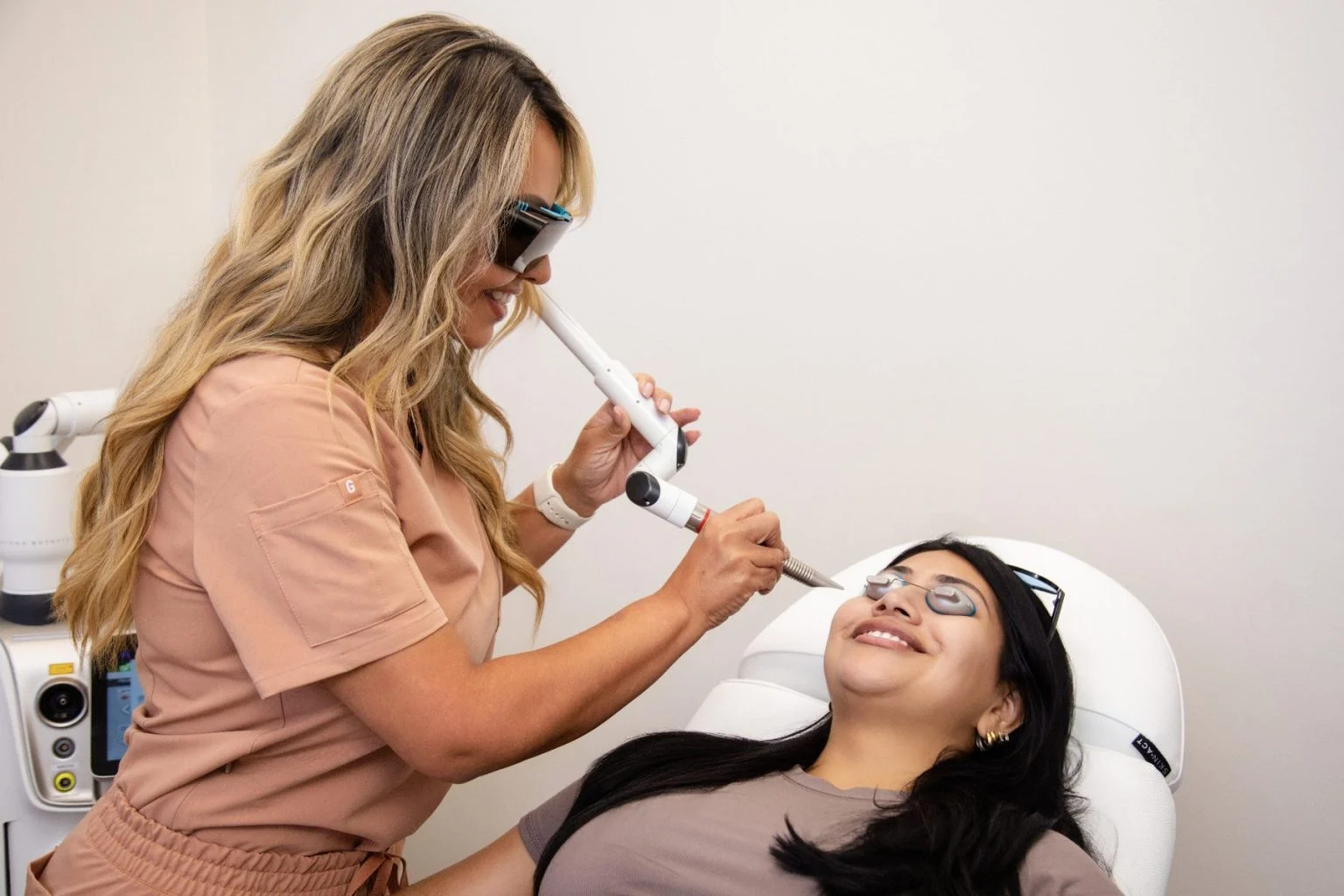
When people ask about results from Fotona Laser Treatments, they are usually asking two different questions at once. The first is clinical: what can this technology actually improve? The second is personal: what will my face, neck, acne scars, or intimate health concern look and feel like after I spend the time, money, and recovery effort?
Those are fair questions, and they deserve a grounded answer. Fotona is not a single procedure. It is a laser platform used for several treatments, often involving Er:YAG and Nd:YAG wavelengths, with protocols that can be tuned for resurfacing, collagen stimulation, vascular concerns, acne, scar revision, skin tightening, and certain gynecologic or oral applications. That range is part of the appeal, but it also creates confusion. Results vary because the name on the machine tells you less than the treatment setting, the indication, and the skill of the practitioner.
The most useful way to think about outcomes is this: Fotona can produce very good improvement in the right patient, for the right concern, with the right settings, over the right timeline. It is not magic, and it is not interchangeable with every other laser just because the before and after photos online look dramatic.
What Fotona is actually good at
A realistic discussion starts with use cases. Fotona Laser Treatments are commonly chosen for textural improvement, mild to moderate skin laxity, acne and certain acne scars, pore appearance, fine lines, sun damage, and some vascular or pigmented issues depending on the protocol. Some clinics also use Fotona for snoring support, hair reduction, and gynecologic concerns, though outcomes and indications should always be reviewed case by case.
Where it tends to shine is in the middle ground. If someone wants more than a facial but less downtime than https://maps.app.goo.gl/qXD4j3287tCBo42W7 a fully ablative resurfacing procedure, some Fotona protocols can fit that space well. If someone has early skin laxity and wants collagen stimulation without surgery, there may be a meaningful benefit. If someone has post-acne texture and understands that “improvement” does not mean perfectly smooth skin, Fotona can be a reasonable option.
That middle ground matters. A lot of disappointment in aesthetics comes from choosing a treatment that is too gentle for the problem, or expecting a non-surgical treatment to deliver a surgical result. I have seen patients with etched static wrinkles, significant jowling, or deep tethered acne scars go through several light laser sessions hoping for a dramatic change. They often get some improvement, just not enough to match what they pictured. On the other hand, I have also seen patients with early texture changes and mild laxity look fresher, smoother, and noticeably brighter after a series of well-planned sessions.
Results depend more on the indication than the brand name
The question is not “Does Fotona work?” The better question is “For what, and how much?”
Fine lines and mild texture irregularities often respond well, especially when the treatment includes a resurfacing component. Skin can look smoother, makeup may sit better, and the overall surface can reflect light more evenly. This is the type of result people often describe as looking rested rather than treated.
Acne can improve too, particularly inflammatory acne, when protocols are designed to target oil activity, bacteria, and inflammation. That said, laser is rarely the whole answer for active acne. Hormones, skincare, and medical management still matter. If breakouts are cyclical or cystic, laser alone may give an incomplete result.
Acne scars are where expectation management becomes essential. Rolling and shallow boxcar scars may soften. Skin texture can become more even. But deep icepick scars, strong tethering, and long-standing scar patterns usually need a combination approach, sometimes including subcision, TCA CROSS, microneedling, fillers, or RF-based treatments. In other words, Fotona may be part of a smart plan, not necessarily the entire plan.
For laxity, the gains are generally modest to moderate, not face-lift level. Patients in their thirties, forties, and early fifties with mild sagging often appreciate the subtle tightening and firmer feel over time. Patients with heavy lower-face laxity or more advanced volume loss usually need a more layered strategy.
Pigment can be trickier than marketing suggests. Some forms of superficial sun damage may improve, but deeper or hormonally driven pigmentation, especially melasma, requires caution. Aggressive treatment can sometimes irritate the skin and worsen pigment issues, particularly in reactive skin types.
The timeline is slower than many people expect
One of the most common misunderstandings is timing. People often assume lasers either work immediately or not at all. In reality, the timeline depends on what the laser is trying to do.
If the treatment is focused on superficial resurfacing, you may see short-term changes once redness settles and the skin finishes its early healing phase. The surface can look smoother within days to a couple of weeks, depending on intensity. If the treatment is aimed at collagen remodeling or tightening, the visible result unfolds more gradually. It can take several weeks to months for the tissue response to become obvious.
This matters before weddings, photo shoots, reunions, and big work events. Someone who books a collagen-stimulating treatment ten days before a major event may still be in the awkward phase, where they have some dryness, redness, or swelling but have not yet reached the payoff. Someone who plans three to six months ahead usually gives the skin enough time to settle and build.
A realistic schedule is often a series, not a one-off. Some patients see a noticeable change after a single stronger session. Many do better with three or more treatments spaced over weeks. Maintenance is also part of the conversation. Skin continues to age, scars do not remodel forever, and acne can return if the underlying trigger remains active.
Why two people can have completely different outcomes
Same device, same clinic, similar age, very different result. That happens all the time, and it does not mean someone did anything wrong. It usually means biology and baseline condition won.
Several factors shape what you can reasonably expect:
- The severity and type of concern, such as shallow acne scarring versus deep tethered scars
- Your skin type and tendency toward redness, pigment changes, or delayed healing
- The exact protocol used, including wavelength, fluence, pulse duration, and treatment depth
- Whether the provider combines laser with a broader treatment plan
- Your tolerance for downtime, because lighter sessions usually mean subtler changes
That last point deserves more attention than it gets. Patients often want the strongest possible result with almost no social downtime. Sometimes that trade-off exists, but often it does not. More visible change generally comes with more swelling, redness, peeling, or temporary texture disruption. Not always, but often enough that it should be discussed clearly.
What “good results” actually look like in practice
Good results from Fotona Laser Treatments are often more understated than the internet would have you believe. The skin may look tighter, but not tighter in a way that changes your identity. Scars may soften enough that overhead lighting bothers you less. Fine lines may blur so your face appears less tired. Pores may look less obvious when the skin is not dehydrated or inflamed.
That kind of improvement can be extremely worthwhile. It just photographs poorly compared with dramatic surgical changes. Some of the best laser work looks boring in before and after collages because the improvements are in texture, tone, reflectivity, and softness rather than in major shape changes.
A patient once described her result in a way I thought was unusually accurate: “I still look like me, but like a version of me that slept better for six months.” That is the territory where many laser treatments do their best work.
The experience during and after treatment
Comfort varies by treatment type. Some Fotona sessions feel warm and prickly. Others are sharper and more intense, especially if resurfacing is involved. Topical numbing helps in many cases, though stronger treatments may still be uncomfortable. Good clinics are usually straightforward about this, which is reassuring. “Tolerable” means different things to different people.
Immediately after treatment, the skin may be pink to quite red, warm, mildly swollen, and dry or rough. With more aggressive settings, you can expect a recovery window that includes visible texture change and peeling. Some patients describe the skin as feeling sunburned for a day or two. Around the mouth and under the eyes, swelling can be more noticeable simply because the tissue is thinner and more reactive.
Downtime is one of the most underplayed aspects of laser treatment. “No downtime” often means “medically safe to resume normal activity,” not “camera ready by dinner.” If you have an office job with video calls, social downtime matters just as much as medical downtime. This is why asking to see day-by-day healing examples can be more useful than looking at polished before and after photos.
Where expectations often go wrong
The biggest mismatch usually happens in one of three ways.
First, the patient has a structural issue and chooses a surface treatment. A laser can improve skin quality beautifully, but it cannot replace lost facial volume or reposition descended tissue the way fillers, biostimulators, or surgery might.
Second, the patient underestimates the number of sessions required. Acne scars, chronic redness, and collagen remodeling often demand repetition. One treatment may start the process, not finish it.
Third, the patient receives a conservative protocol but expects an aggressive result. This is not always the provider’s fault. Some people request minimal downtime, refuse combination treatment, and still hope for a dramatic transformation. Medicine is full of compromises, and aesthetics is no exception.
A note on skin tone and caution
People with more melanin-rich skin can absolutely be treated with lasers, but the treatment plan should be more deliberate. The risk profile is different, especially when post-inflammatory hyperpigmentation is a concern. That does not mean “unsafe,” it means the settings, pre-treatment prep, and aftercare may need more thought.
Any clinic that promises identical protocols for every skin tone or acts casual about pigment risk is oversimplifying. A thoughtful provider will ask about prior reactions, tanning habits, skincare actives, melasma history, and any tendency to scar or darken after irritation.
Combination treatment often beats laser alone
Some of the best outcomes come from knowing when not to rely on one tool. Fotona Laser Treatments can play well with other approaches, depending on the concern.
For acne scars, that may mean subcision for tethering and laser for surface refinement. For laxity, it might mean combining collagen stimulation with injectables that restore structural support. For active acne, it may mean laser plus prescription therapy. For textural aging, skincare often matters more than patients want to admit. A retinoid, pigment control if needed, consistent sunscreen, and barrier support can preserve and amplify the gains from a procedure.
This is usually a sign of good judgment, not upselling. A provider who says, “This will help, but not enough on its own,” is often giving a more honest recommendation than someone who promises a single-device fix.
How to judge whether your result is on track
The best way to assess progress is by matching the timeline to the treatment type and documenting changes honestly. Photos help, but only if they are taken in similar lighting, angle, and expression. Daylight by a bathroom window one week, then a flattering car selfie the next, tells you very little.
There are a few signs that suggest things are progressing normally. Early redness fades rather than intensifies. The skin texture gradually smooths instead of staying rough and inflamed. Breakouts, if treated, become less frequent or less angry. Scars and fine lines soften slowly rather than disappearing overnight. Tightening effects develop over months, not days.
If something seems off, prolonged swelling, worsening pigment, blistering, persistent crusting, or unexpected pain, contact the treating clinic rather than waiting it out. Most aftercare questions are manageable, but some deserve prompt review.
Aftercare has more influence than people think
Post-treatment care does not create results from thin air, but it can protect them or undermine them. Laser-treated skin is temporarily more vulnerable to irritation, dehydration, and sun-triggered setbacks. People who are meticulous about aftercare usually heal more smoothly.
A sensible aftercare routine often comes down to a few basics:
- Keep the skin clean, bland, and well moisturized while it heals
- Avoid exfoliants, retinoids, and strong actives until your provider clears them
- Use sun protection seriously, especially in the first several weeks
- Resist picking, rubbing, or “helping” peeling skin along
- Report anything that seems unusual rather than guessing
Patients sometimes sabotage good treatment by resuming acids too quickly, working out hard the same day against instructions, or spending time in direct sun because they “only stepped out for a bit.” Laser results are not that fragile, but fresh skin is less forgiving than people expect.
Cost, value, and the hidden math of treatment plans
A realistic guide would be incomplete without talking about money. Fotona treatments can be expensive, and value is not just the price per session. Value is the relationship between cost, number of sessions, expected degree of improvement, and how long the result tends to hold.
A lower-cost treatment that requires six sessions and maintenance may not be cheaper than a more intensive plan that achieves the goal faster. At the same time, the strongest option is not automatically the best choice if the downtime does not fit your life or your risk tolerance.
Ask clinics to explain the likely number of treatments for your specific concern, not the average marketing package. If someone has mild textural aging, the plan may be relatively straightforward. If someone has mixed concerns, redness, pigment, old acne scars, and laxity, the quote should reflect that complexity.
Questions worth asking before you book
Consultations are where realistic expectations are built or broken. Good questions often reveal more than glossy brochures do. Ask what concern they believe the treatment is best suited for in your case. Ask what percentage of improvement is reasonable, even if the answer is a range rather than a single number. Ask about downtime in plain language, including how you might look on days two, four, and seven. Ask what alternatives they would consider if this were their own family member sitting in the chair.
It is also helpful to ask whether your concern is primarily one of color, texture, laxity, volume, or scarring pattern. Those categories often determine whether laser is the right first step or just one piece of the solution.
Who tends to be happiest with Fotona
The happiest patients are usually the ones with a clear target and a flexible but realistic mindset. They understand that laser can improve quality more than identity. They want skin that looks healthier, smoother, calmer, or firmer, not a completely different face. They can commit to a series if needed, protect their skin afterward, and judge progress over months rather than days.
Patients looking for a miracle, an instant transformation before a big event, or a permanent fix for a complex issue are the ones most likely to feel let down. That is not a criticism, it is just a mismatch between tool and expectation.
The real takeaway
Fotona Laser Treatments can deliver meaningful, sometimes impressive improvement, especially for texture, early aging changes, select acne concerns, and carefully chosen scar patterns. The best results tend to look natural, not dramatic. They reward patience, a skilled operator, a good treatment match, and honest pre-treatment planning.
If you are considering treatment, focus less on the logo on the machine and more on the diagnosis, the protocol, the provider’s experience, and the plan for your specific skin. That is where realistic results begin, and where most good outcomes are made.
OMNIA Wellness Center
Address: 16430 Ventura Blvd Ste 207, Encino, CA 91436
Phone number: +18183868511
FAQ About Fotona Laser Treatments
What is a Fotona laser good for?
A Fotona Laser system is a versatile, dual-wavelength medical laser used primarily for non-surgical skin tightening, anti-aging rejuvenation, and dermatological treatments.
How much does the Fotona laser cost?
The cost of a Fotona laser depends heavily on whether you are looking to purchase a laser machine for a medical practice or are a patient seeking a laser treatment at a medspa.
Is a Fotona laser worth it?
A Fotona laser treatment is generally worth it if you want non-surgical skin tightening, improved texture, and collagen stimulation with very little downtime.